Discover Kirin Court
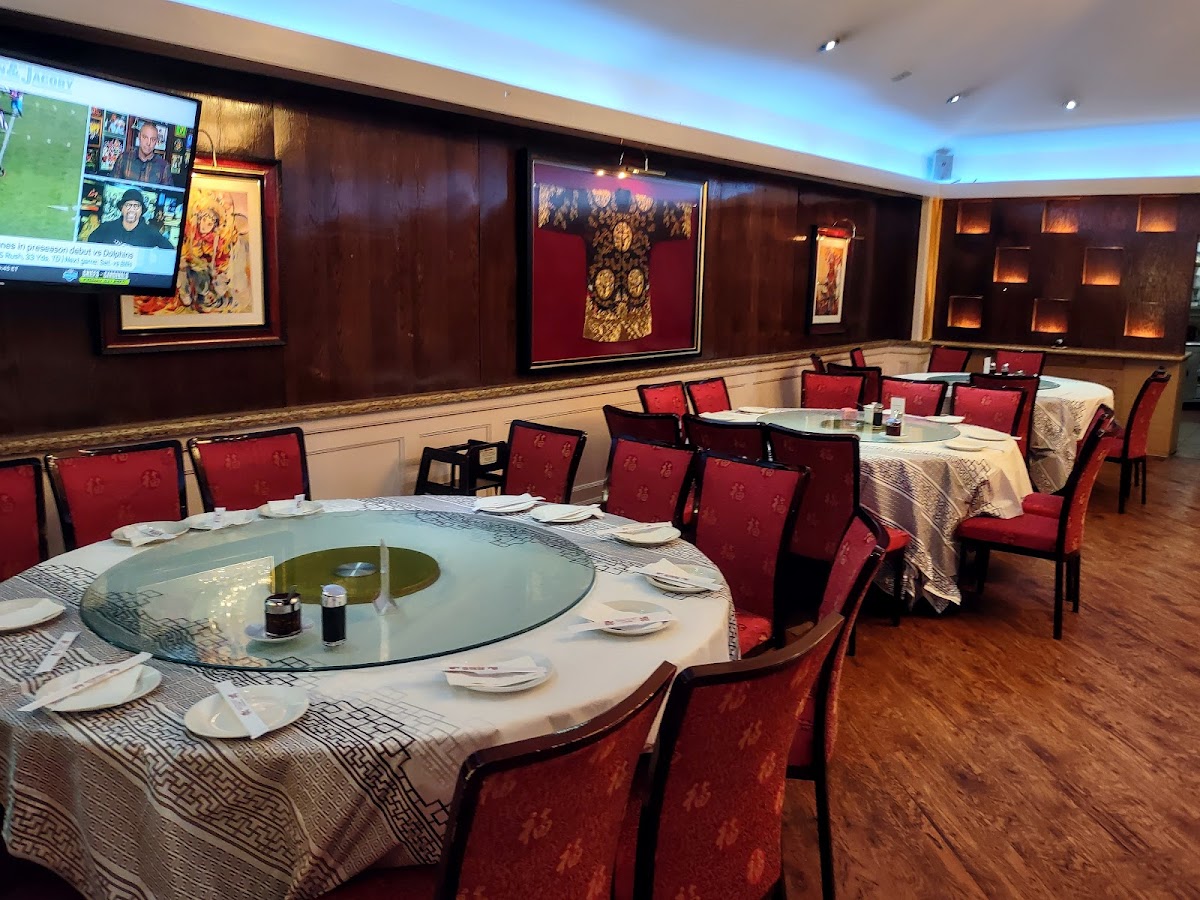
Walking into Kirin Court for the first time feels like stepping into a lively Sunday morning ritual, even if it’s a weekday. The dining room hums with conversation, teapots clink against porcelain cups, and servers glide past with dim sum carts stacked high. Located at 221 W Polk St #200, Richardson, TX 75081, United States, this spot has become a familiar stop for locals who crave authentic Cantonese flavors without the fuss.
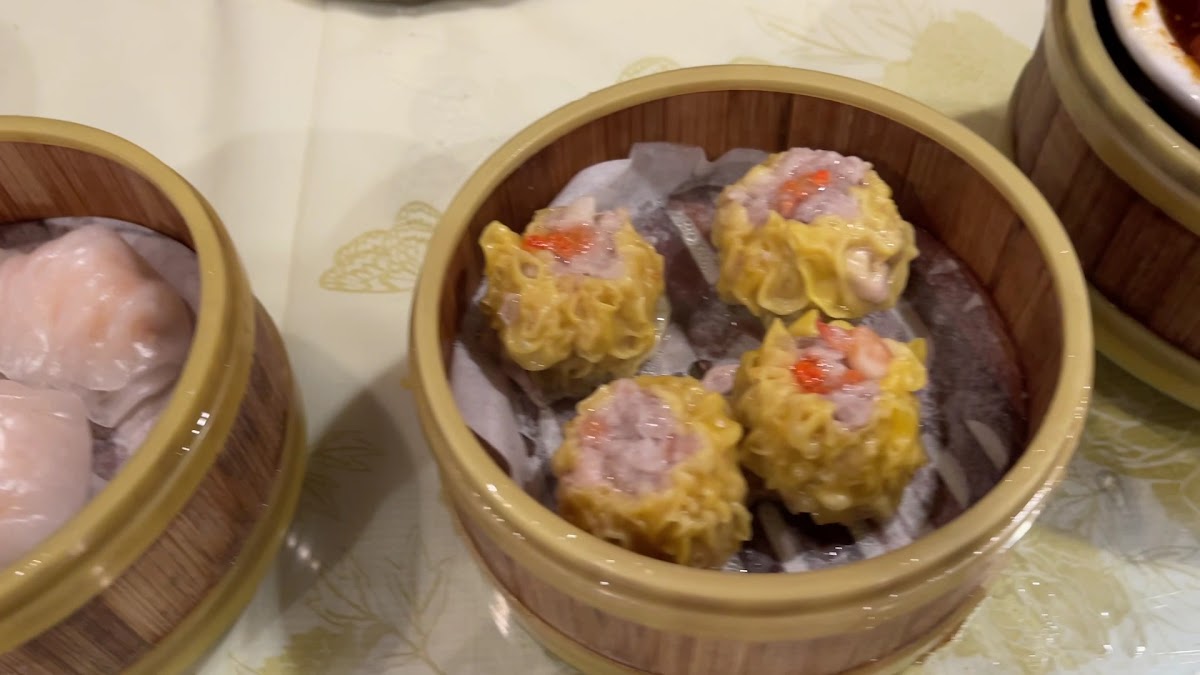
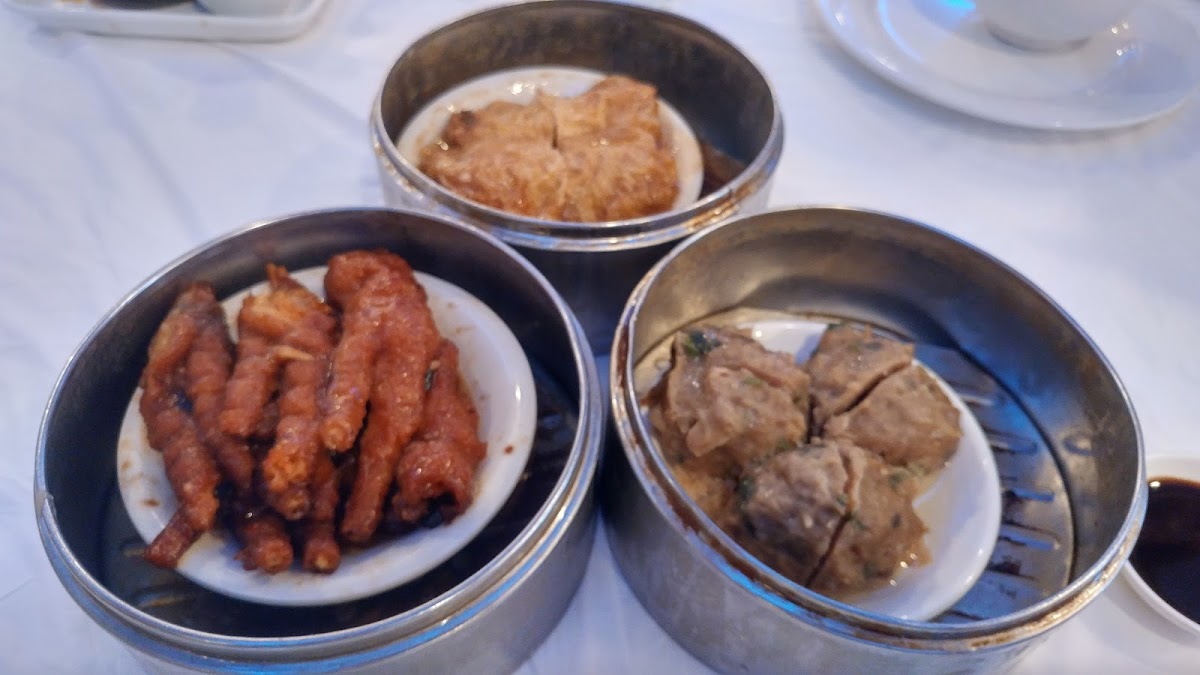
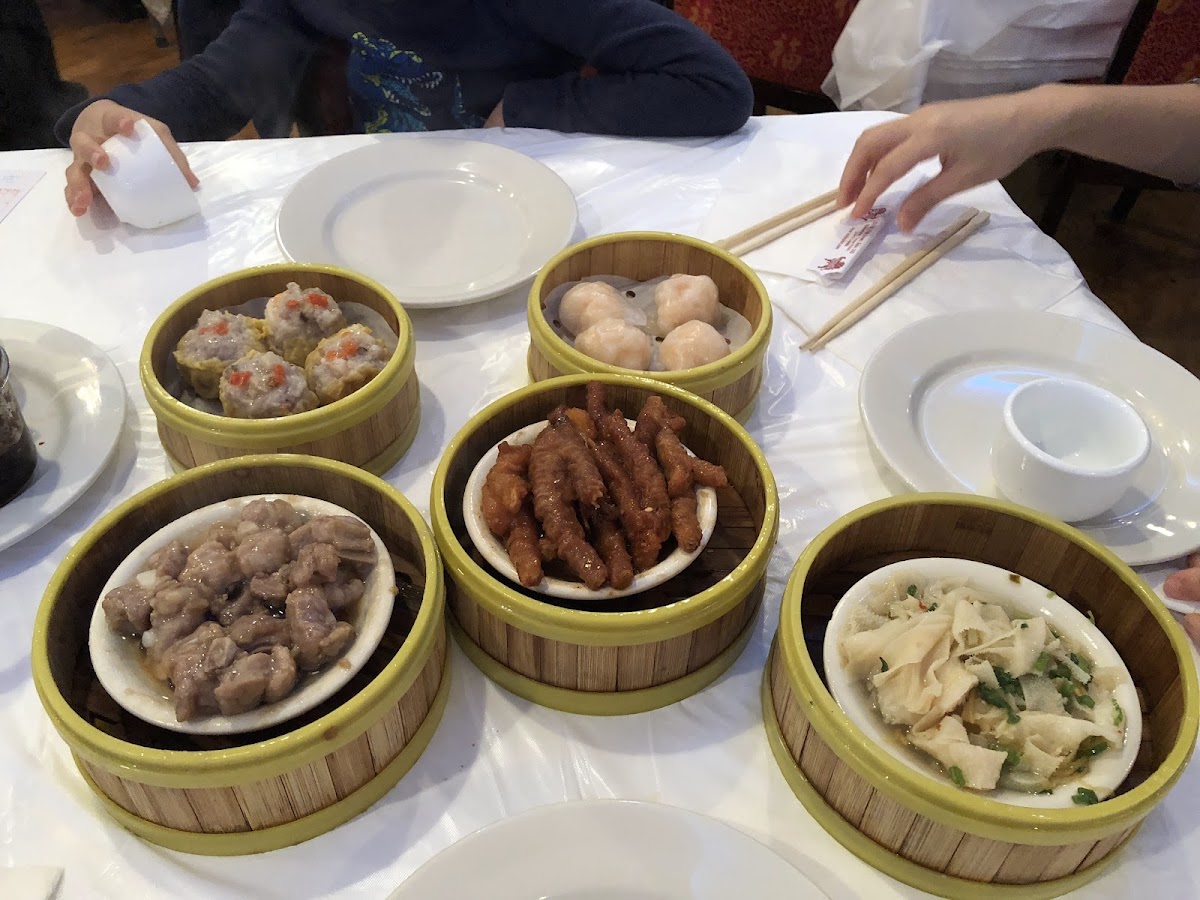
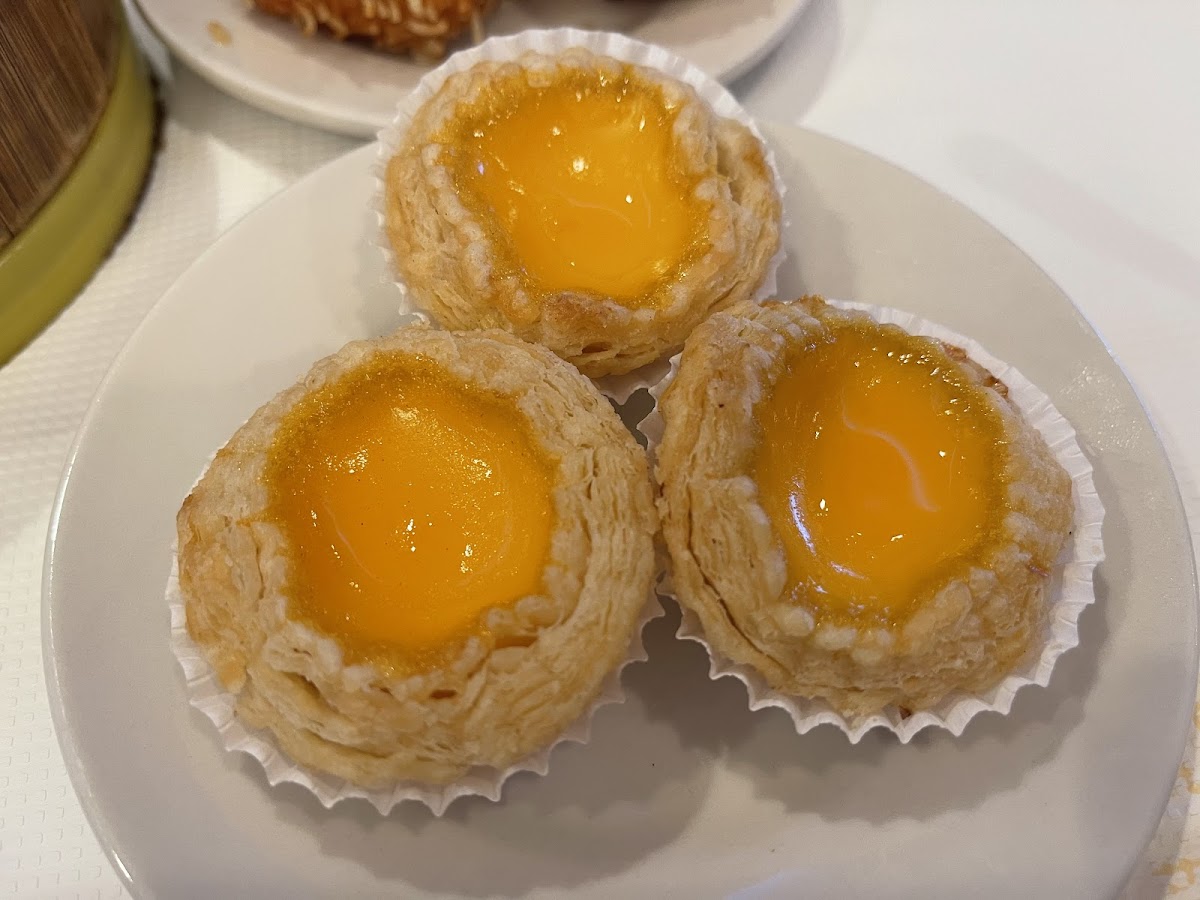
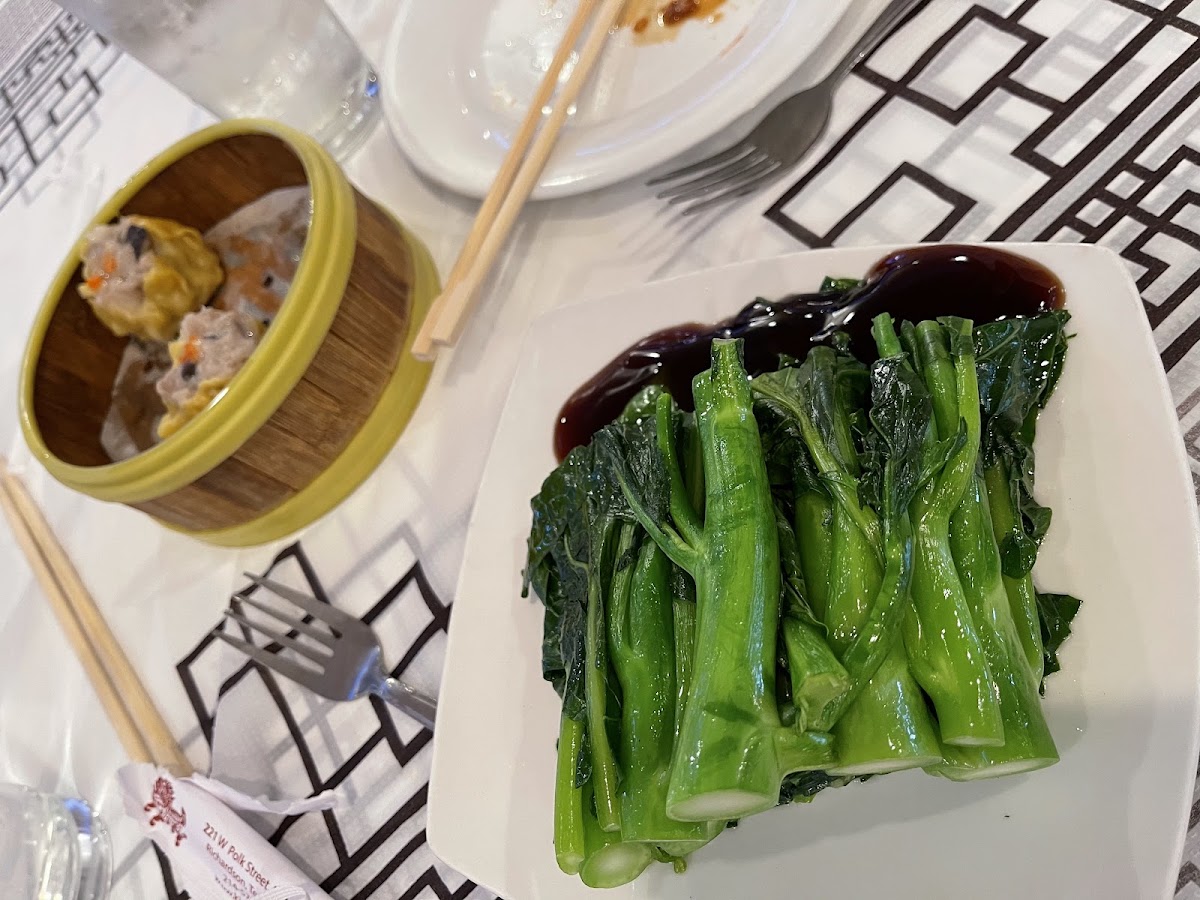
From personal experience, this is the kind of place where you learn by watching. On my first visit, I followed the lead of regulars who waved down carts with confidence, peeking under lids before nodding yes. That process is part of the charm. Instead of ordering everything at once, you build your meal bite by bite. It’s interactive, slightly chaotic, and incredibly fun. The menu supports that style, offering classics like shrimp har gow, pork siu mai, turnip cakes, and fluffy barbecue pork buns that disappear fast once a cart rolls by.
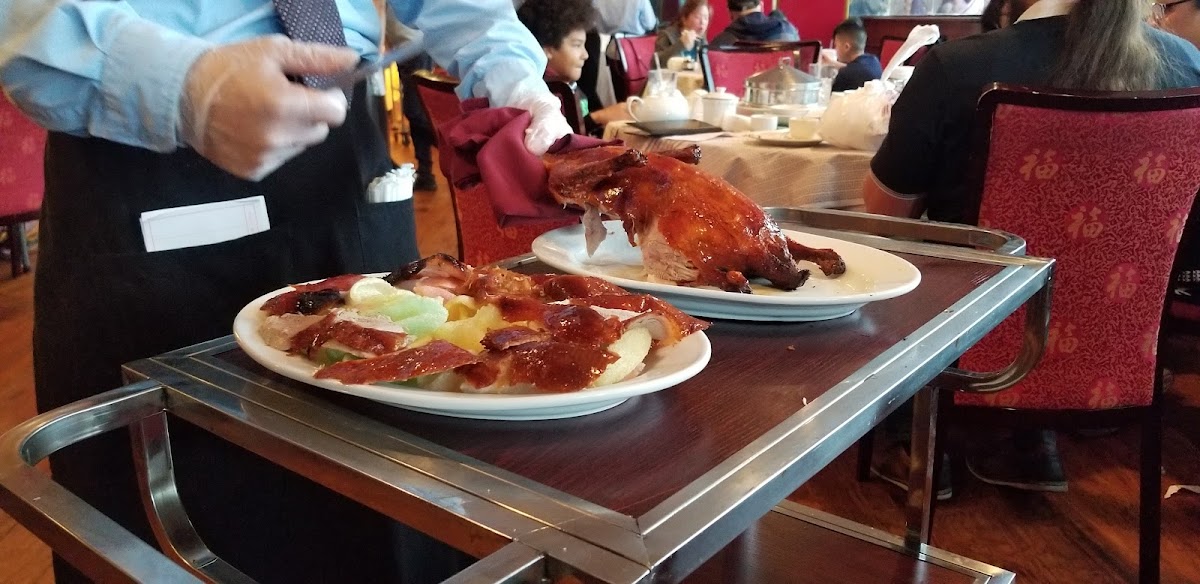
Beyond dim sum hours, the kitchen shifts gears. Dinner service highlights Cantonese staples such as Peking duck, salt-and-pepper squid, and clay pot dishes that arrive sizzling. I once watched a server carefully carve a roast duck tableside, explaining how the skin stays crisp thanks to air-drying before roasting, a traditional method used in Southern Chinese kitchens for generations. That attention to process shows real culinary discipline rather than shortcuts.
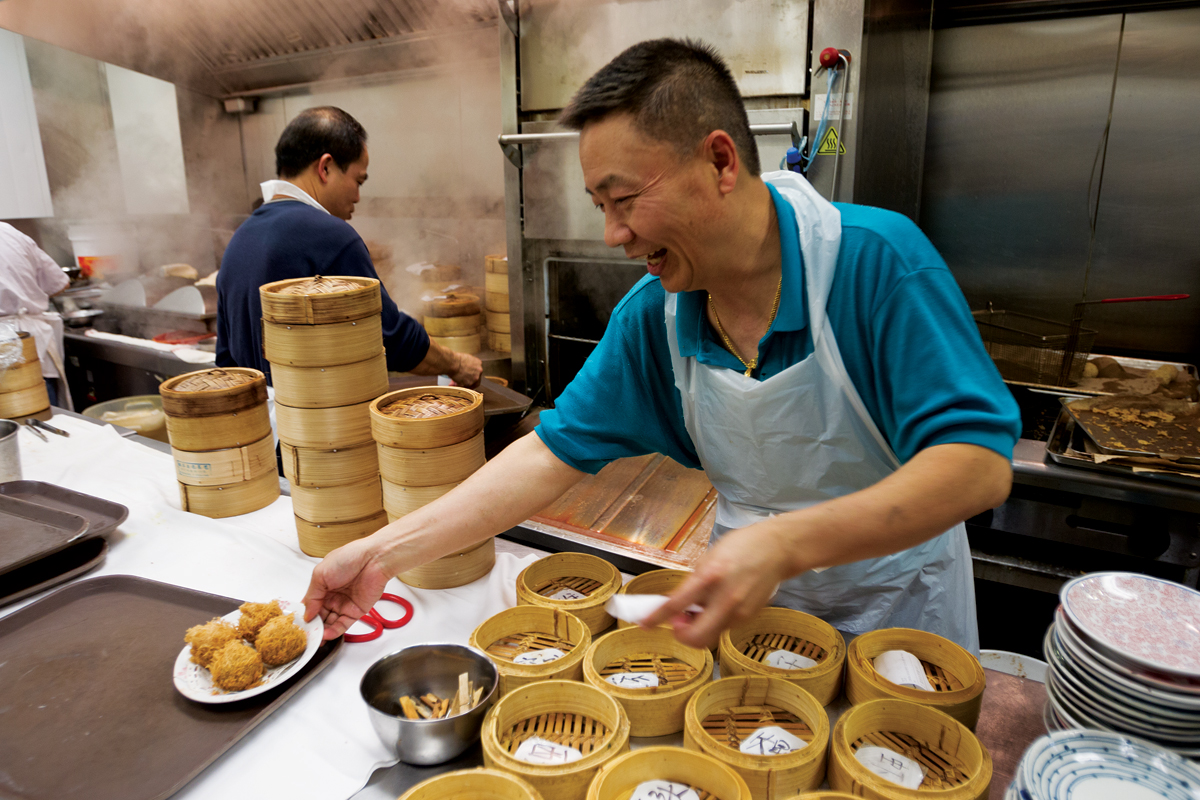
Food safety and consistency matter, especially in high-volume dining rooms. According to data from the National Restaurant Association, restaurants that maintain standardized prep systems reduce food waste and improve customer satisfaction by more than 20 percent. You can see that discipline here in how quickly tables turn while plates remain consistent in size, seasoning, and presentation. Even during peak brunch, nothing tastes rushed.
Reviews from longtime diners often mention the reliability of the experience. One regular told me they’ve been coming here for over a decade because the flavors haven’t drifted. That kind of consistency aligns with what organizations like the James Beard Foundation often praise in enduring eateries: staying rooted in tradition while meeting modern expectations for cleanliness and service.
The beverage side deserves attention too. Tea isn’t an afterthought; it’s central. Servers offer jasmine, chrysanthemum, or pu-erh, and refills come without asking. In Cantonese dining culture, tea helps balance richer foods, and studies published in food science journals note that hot tea can enhance aroma perception, making savory dishes feel lighter. It’s a small detail that improves the overall meal.
The location in Richardson also plays a role in its popularity. North Texas has seen steady growth in Asian-American communities over the past two decades, and census data reflects increased demand for regional Chinese cuisine. That demand supports restaurants that stay authentic rather than watered down, and this place benefits from a knowledgeable customer base that knows what good dim sum should taste like.
Of course, no restaurant is perfect. During weekend brunch, waits can stretch, and carts sometimes skip tables if servers are overwhelmed. If you’re looking for a quiet, intimate meal, this may not be your spot during peak hours. Parking can also feel tight when the plaza is full. Still, those trade-offs come with the territory of a busy dining room that many consider worth the wait.
What keeps people coming back is the balance between tradition and approachability. You don’t need to be an expert to enjoy the menu, but if you are, you’ll notice details that signal care, like properly translucent dumpling skins or rice rolls that stay tender without falling apart. It’s the kind of place where first-timers learn quickly, regulars feel at home, and every visit adds another small discovery to the experience.